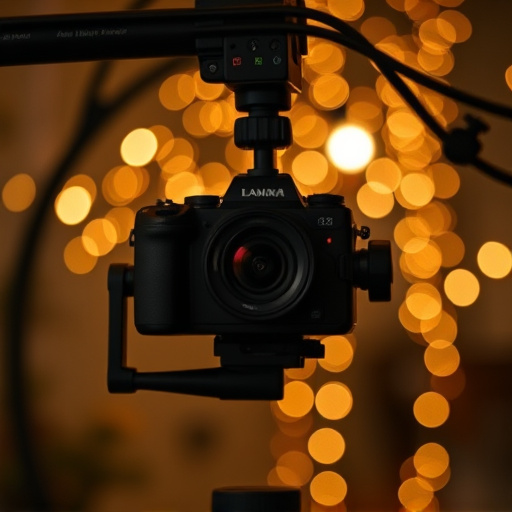
Tiny cameras for home monitoring, or "nannycams," transform residential security with advanced features like high-resolution sensors, night vision, motion detection, and remote access via smartphone apps. Strategically placed to monitor entry points, they deter intruders, record incidents, and provide peace of mind. With evolving AI technology and privacy features, these cameras fortify homes in the digital age, but legal considerations regarding placement and privacy must be addressed to ensure lawful use.
“Enhance your home’s security with a comprehensive guide to tiny cameras for home monitoring. In today’s digital era, surveillance device sweeps offer unprecedented peace of mind. Learn how strategic placement of these advanced yet discreet cameras can transform your property into a fortress. From understanding the technology behind tiny cameras to navigating legal considerations and privacy measures, this article equips you with the knowledge to make informed decisions for an effective home security system.”
- Understanding Tiny Cameras for Home Security
- Strategizing Surveillance Device Placement
- Legal Considerations and Privacy Measures
Understanding Tiny Cameras for Home Security
Tiny cameras for home monitoring have revolutionized residential security, offering advanced surveillance solutions in a compact form factor. These miniature devices, often referred to as “nannycam” or hidden cameras, are discreetly designed to fit seamlessly into various environments, from wall outlets and light switches to door handles and pet collars. Their small size belies their powerful capabilities; equipped with high-resolution sensors, night vision, motion detection, and remote access via smartphone apps, they provide homeowners with a comprehensive view of their properties at all times.
The versatility of tiny cameras for home security is unmatched. They can be strategically placed to monitor entry points, deter potential intruders, and record evidence in case of break-ins or other incidents. Additionally, many models offer two-way audio capabilities, allowing users to communicate with visitors or pets remotely, further enhancing the sense of safety and peace of mind. As technology advances, these tiny cameras continue to evolve, incorporating artificial intelligence for improved object recognition and enhanced privacy features, ensuring that homes remain secure in today’s digital age.
Strategizing Surveillance Device Placement
When strategizing surveillance device placement for your residential property, think like a defender fortifying their castle. Identify potential entry points—windows, doors, and any other weak spots—and position tiny cameras for home monitoring accordingly. These discreet devices, often referred to as “nanny cams” or “peep holes,” offer unparalleled peace of mind by providing real-time footage of your property’s exterior and interior.
Prioritize locations with high visibility and line-of-sight access to the areas you wish to monitor. For example, place cameras near garage doors, backyards, and main entryways. Additionally, consider strategic angles that capture not only clear images but also identify potential threats or suspicious activity. By thoughtfully integrating tiny cameras for home monitoring into your property’s security regimen, you create an effective early warning system, ensuring your family’s safety 24/7.
Legal Considerations and Privacy Measures
When conducting a surveillance device sweep of a residential property, it’s crucial to navigate the legal considerations and privacy measures in place. The use of tiny cameras for home monitoring must adhere to local and federal laws regarding privacy rights. Installation and placement of such devices should be done with care to avoid areas that infringe on residents’ reasonable expectations of privacy, like bathrooms or bedrooms.
Homeowners considering surveillance technology should consult legal experts to ensure their rights are protected. This includes understanding the legal definition of “consent” and how it applies to monitoring efforts. Additionally, regular maintenance and security protocols for these devices are essential to safeguard personal data and prevent unauthorized access, further emphasizing the need for responsible and lawful implementation of home surveillance systems.
When it comes to protecting your home, a strategic surveillance device sweep using tiny cameras for home monitoring can be a powerful tool. By understanding the technology, strategically placing devices, and being mindful of legal considerations, you can create a secure environment while respecting privacy. Embrace these measures as part of your comprehensive home security strategy for enhanced peace of mind.