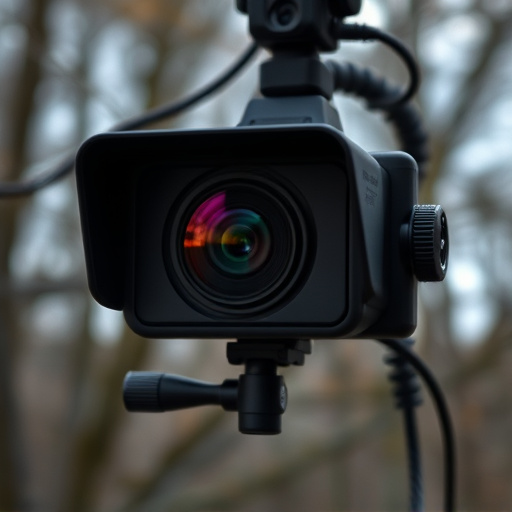
Tiny cameras for home monitoring pose a significant privacy threat, easily concealed within everyday objects. Radio frequency (RF) detection technology is crucial for identifying these devices by intercepting their unique RF signals. Advanced RF detectors enable proactive security measures, safeguarding personal spaces and protecting sensitive information from unwanted surveillance.
In today’s digital age, privacy concerns have never been more pressing. One of the subtlest threats to personal security are hidden cameras, often disguised as everyday objects. This guide delves into the world of radio frequency (RF) technology to help you detect these clandestine devices. From understanding RF principles to advanced monitoring tools, we equip folks with knowledge to identify and counter tiny cameras for home monitoring, ensuring a safer living environment.
- Understanding Radio Frequency (RF) Technology
- Identifying Potential Hidden Camera Sources
- Detecting Tiny Cameras Using RF Detectors
- Common Placements and Concealment Techniques
- Advanced Tools for Comprehensive Monitoring
Understanding Radio Frequency (RF) Technology
Radio frequency (RF) technology is a cornerstone in detecting hidden cameras, especially tiny cameras used for home monitoring. These miniature devices operate by transmitting video and audio signals via radio waves, much like your wireless router or mobile phone. Understanding how RF works is crucial when it comes to spotting these covert surveillance tools.
RF detection involves utilizing specialized equipment that can intercept and analyze the unique radio frequency signatures emitted by hidden cameras. By tuning into specific frequencies, experts can identify and locate devices even if they are disguised or hidden from plain sight. This technology has become increasingly important as privacy concerns grow, ensuring folks remain aware of potential intrusions in their personal spaces, whether it’s through tiny cameras for home monitoring or other forms of unauthorized surveillance equipment.
Identifying Potential Hidden Camera Sources
Hidden cameras, often referred to as spy cameras or surveillance devices, can be a significant concern for privacy and security. Identifying potential sources is the first step in detecting them. These tiny cameras for home monitoring are designed to be discreet, making them easy to hide and difficult to detect visually. They can be embedded in everyday objects like clocks, smoke detectors, light switches, or even seemingly innocuous electronics.
When it comes to identifying these devices, expertise and specialized equipment are crucial. Technicians use radio frequency (RF) detection tools to scan for any electronic signals that might indicate the presence of a hidden camera. This method is particularly effective as many tiny cameras operate on RF frequencies, making them detectable even if they’re not actively transmitting data. By being vigilant and utilizing these advanced techniques, individuals can protect their personal spaces from such invasive devices.
Detecting Tiny Cameras Using RF Detectors
Hidden cameras, especially those as small as a few millimeters in size, pose a unique challenge for home monitoring and security. These minuscule devices, often referred to as tiny cameras or micro-cameras, can be easily concealed within everyday objects like plants, pen drives, or even wearable items. Their diminutive nature makes them hard to detect with the naked eye, prompting individuals seeking robust home security to turn to radio frequency (RF) detectors as a solution.
RF detectors are powerful tools that can uncover these tiny cameras by picking up on their unique RF signals. These devices sweep through various frequencies and can identify suspicious signals emitting from hidden devices. When an RF detector alerts of unusual activity, it may indicate the presence of a tiny camera, enabling users to take proactive measures to secure their personal spaces. For those prioritizing home monitoring with advanced privacy protection, integrating RF detectors into their security systems is an effective step towards ensuring peace of mind and safeguarding sensitive information from prying eyes.
Common Placements and Concealment Techniques
Hidden cameras, often referred to as spy cameras or surveillance cameras, can be discreetly placed in various locations within a home, making them an attractive option for those seeking tiny cameras for home monitoring. Common areas of concealment include doorframes, light switches, power outlets, and even everyday household objects like books or flowers.
Manufacturers employ sophisticated techniques to make these devices virtually invisible. Some models blend seamlessly into the background, mimicking common household items or electrical equipment. Others use advanced materials and designs to reduce their visual impact. This increasing sophistication in technology allows for more subtle placement, making it easier for cameras to go unnoticed by residents and visitors alike.
Advanced Tools for Comprehensive Monitoring
In today’s digital age, advanced tools have emerged to facilitate comprehensive monitoring, making it easier than ever to detect hidden cameras, even those as tiny as a grain of rice. These innovative devices leverage radio frequency (RF) technology to scan and analyze signals, enabling users to uncover covert surveillance equipment that might be hiding in plain sight. RF detectors capable of picking up on the subtle electromagnetic emissions from hidden cameras offer an effective solution for home monitoring, ensuring peace of mind by identifying potential privacy invaders.
With their discreet size, tiny cameras designed for home monitoring can fit almost anywhere—from wall outlets to bookcases—but with the right RF equipment, these miniature devices become visible. This technology allows homeowners and professionals alike to engage in proactive security measures, fortifying their personal spaces against unwanted surveillance. By staying ahead of potential threats, individuals can safeguard their privacy and protect sensitive information from prying eyes.
In today’s digital age, privacy concerns have led to an increased need for home monitoring solutions. By understanding radio frequency (RF) technology and employing specialized tools, it is now possible to detect hidden cameras using RF detectors. With knowledge of potential sources and common concealment techniques, individuals can take proactive steps to safeguard their personal spaces from invasive surveillance. Tiny cameras, once a tool for professionals, are now accessible for home monitoring, offering enhanced security and peace of mind for folks concerned about privacy.